Our Programs
Three connected areas of work in Laisamis: girls' education, community land rights, and gender justice and protection.
Girls' Education
The problem. Girls in Laisamis face high dropout rates. Distance to school, household chores, early marriage, and FGM all interrupt or end a girl's education, often during her teenage years when the risk is highest.
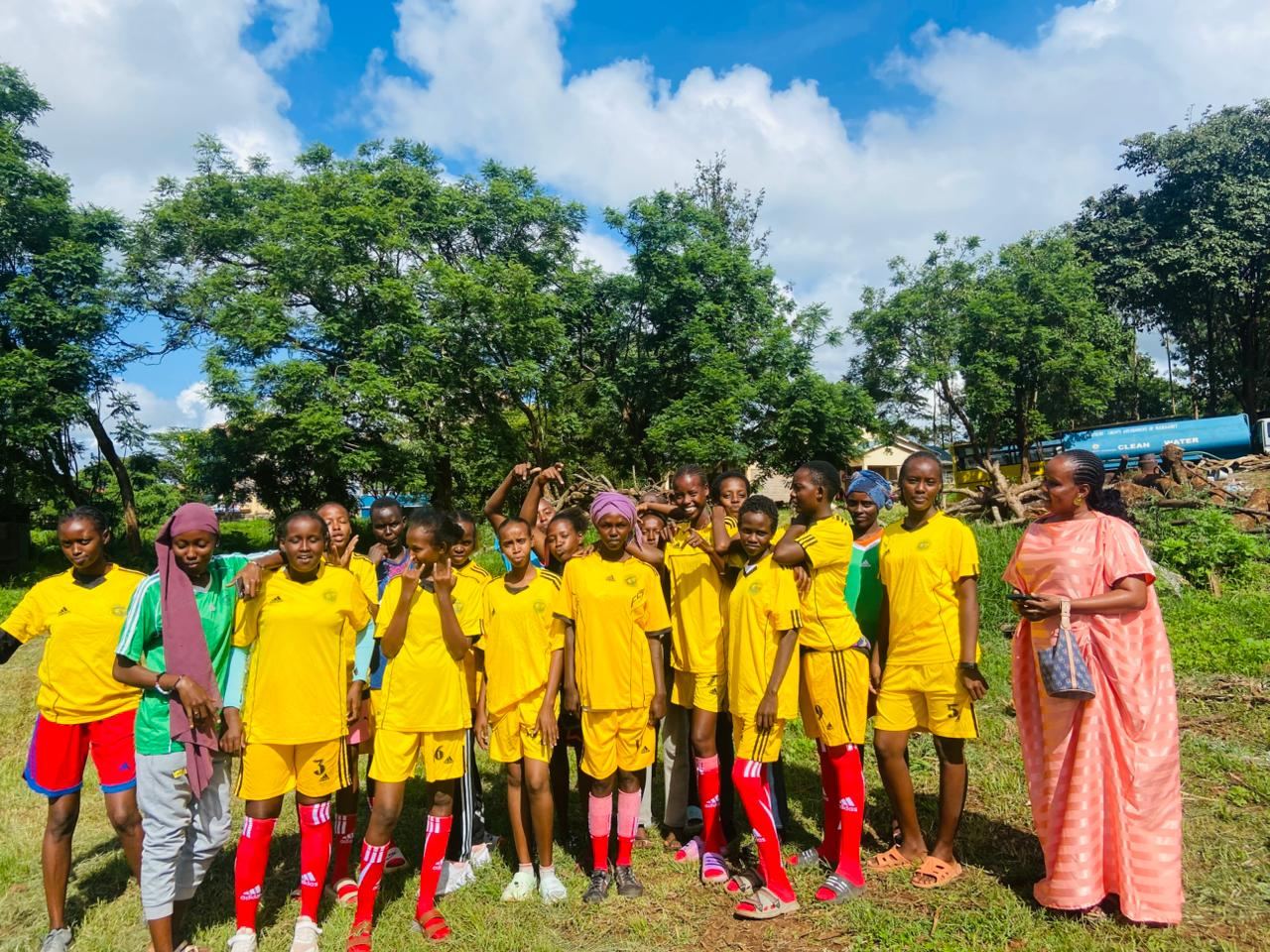
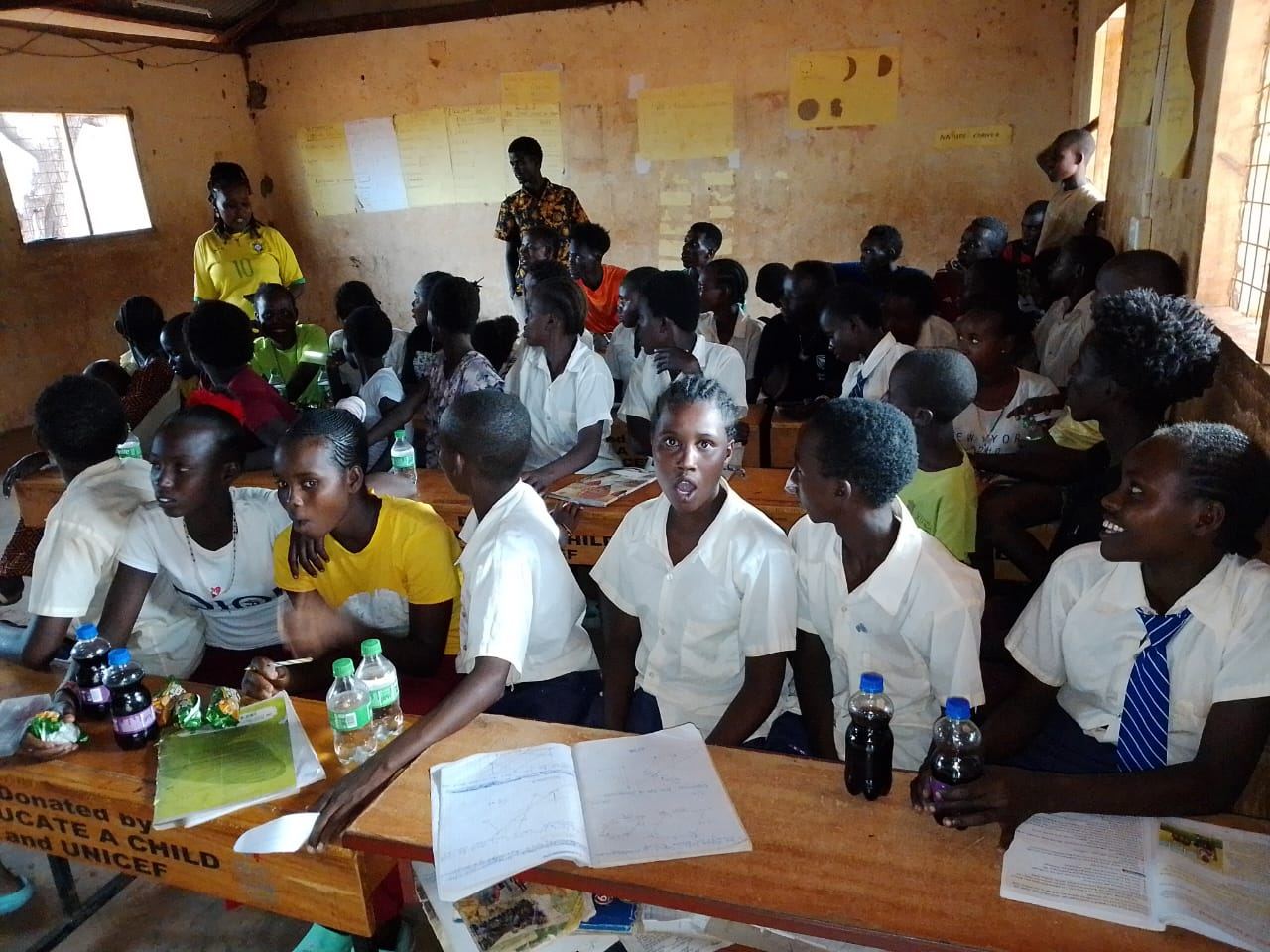
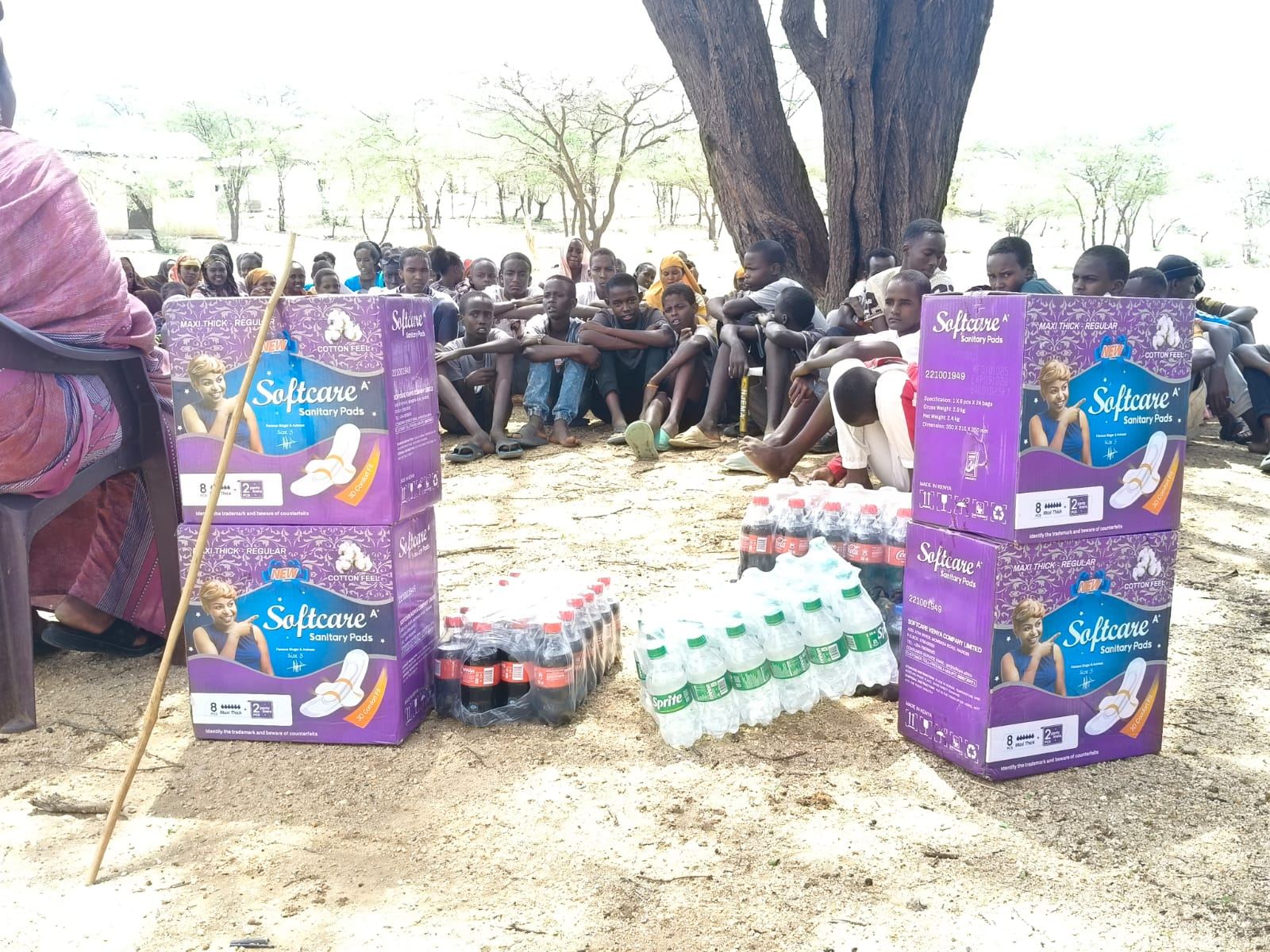
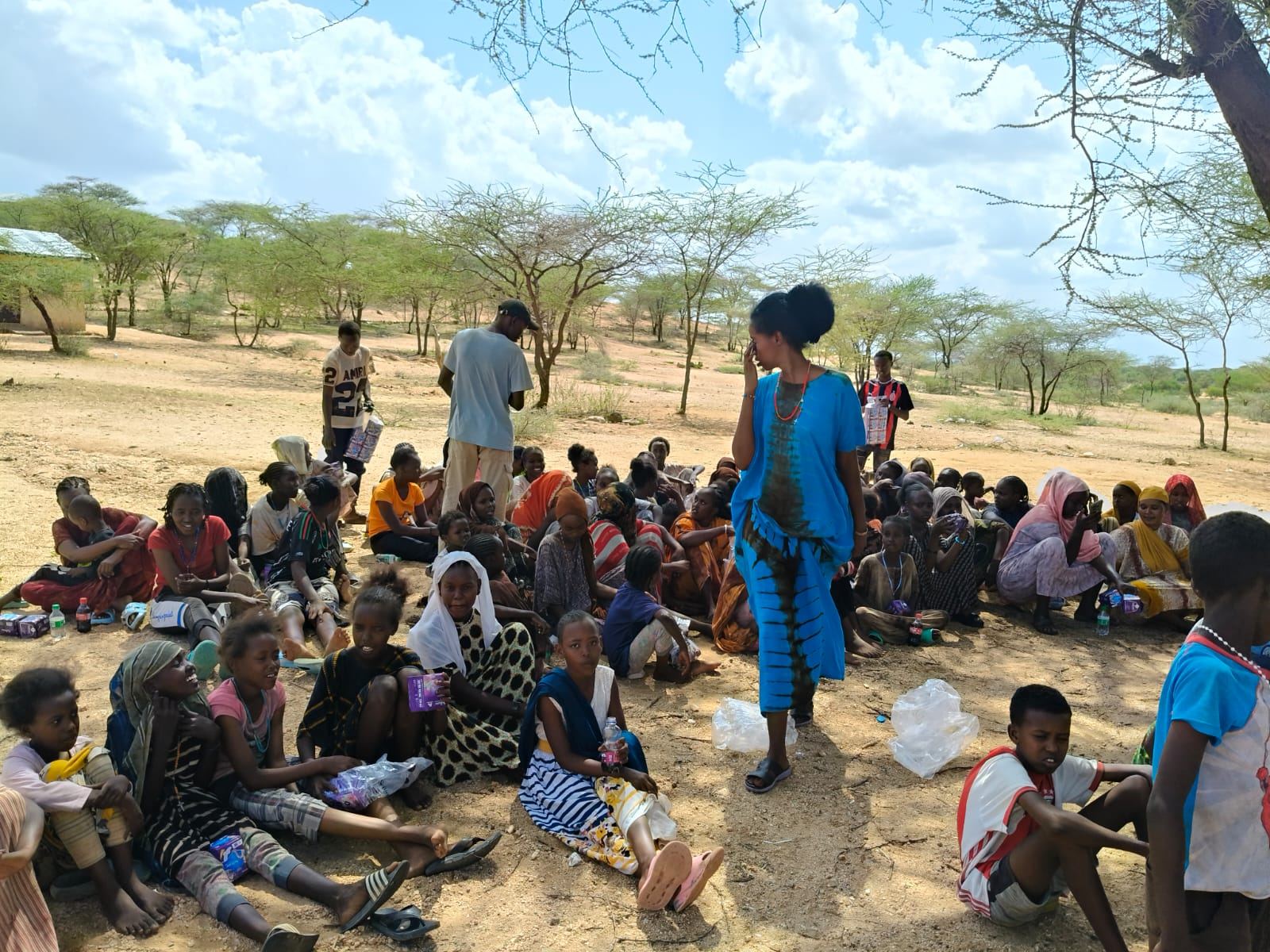
FAN's response. FAN runs classroom support sessions with schools in the area, distributes sanitary supplies so girls do not miss school during their periods, and backs a girls' football team that gives them a reason to stay connected to school life beyond the classroom.
Results.
Support this program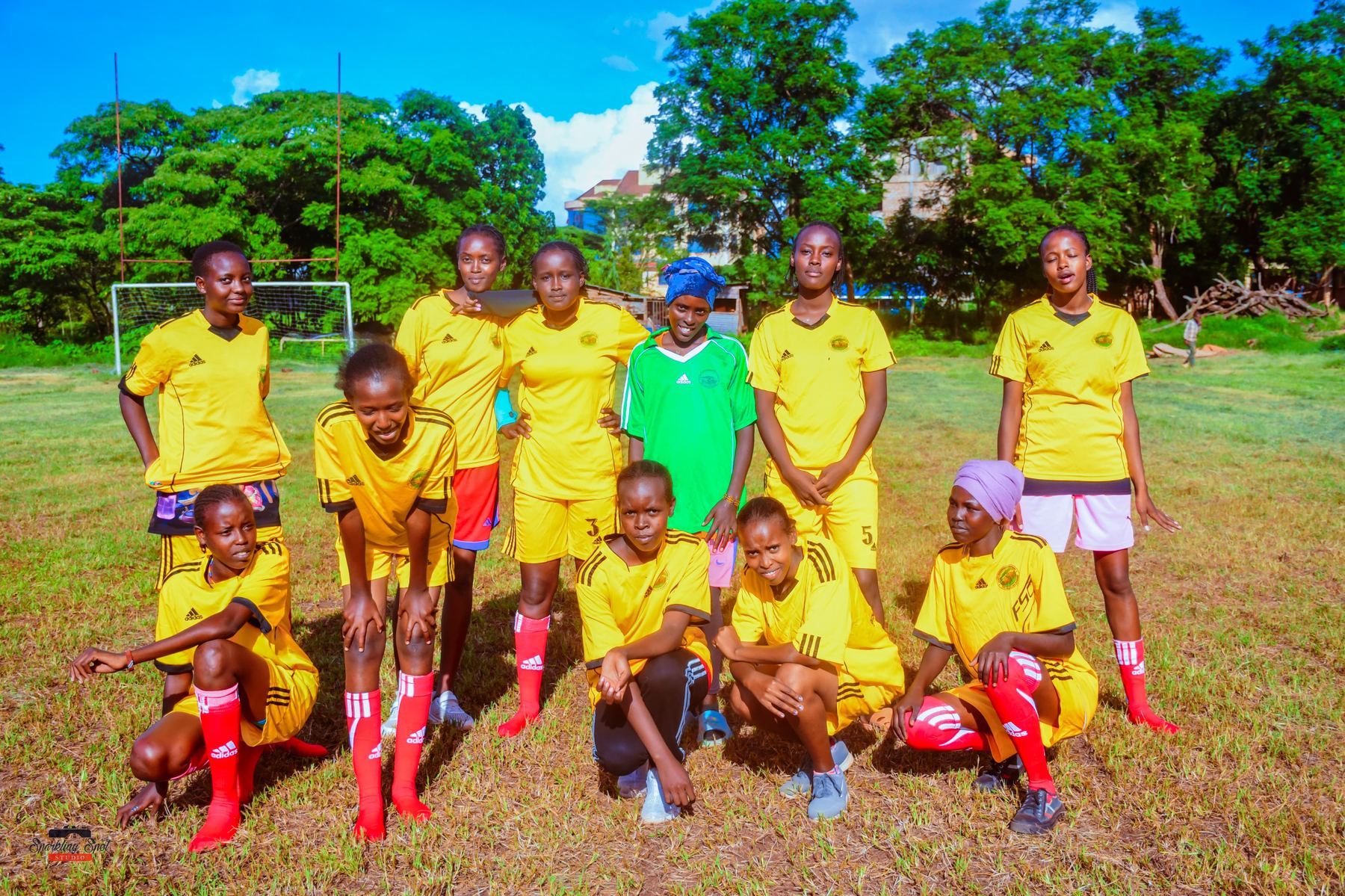
Community Land Rights
The problem. As community land in Marsabit County moves through registration and management processes, women are routinely left out of the meetings where decisions get made, even though they depend on that land daily for grazing, water, and food.
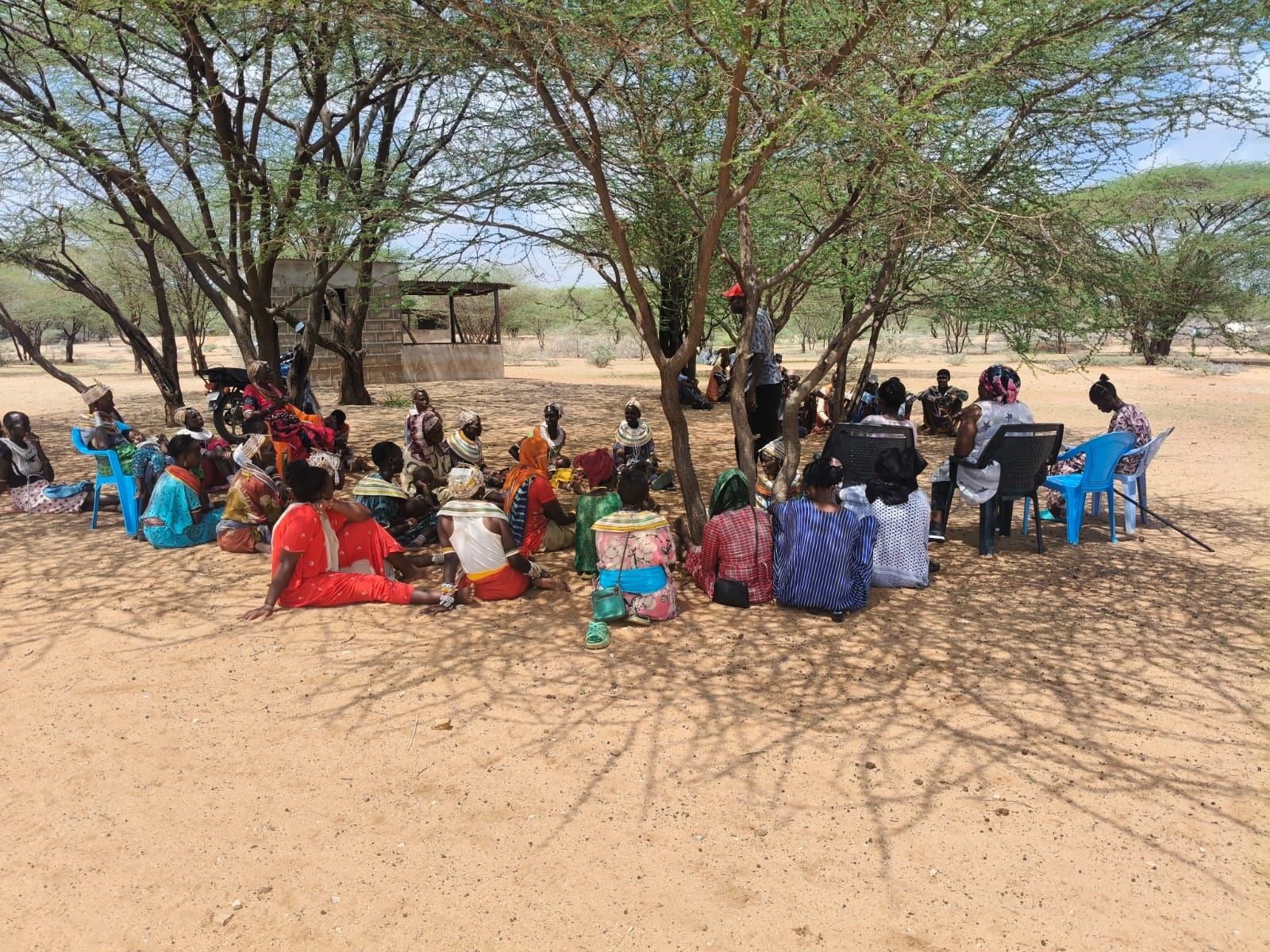
FAN's response. FAN organises women's circles where pastoralist women in Laisamis learn how community land governance works, what a Community Land Management Committee does, and how to take part in it. These sessions double as spaces where women support each other through other shared work, including weaving and trade.
Results.
Support this programGender Justice and Protection
The problem. Gender based violence, including female genital mutilation, remains common in parts of Marsabit County. Campaigns that speak only to women tend to miss the people who would otherwise carry the practice forward.
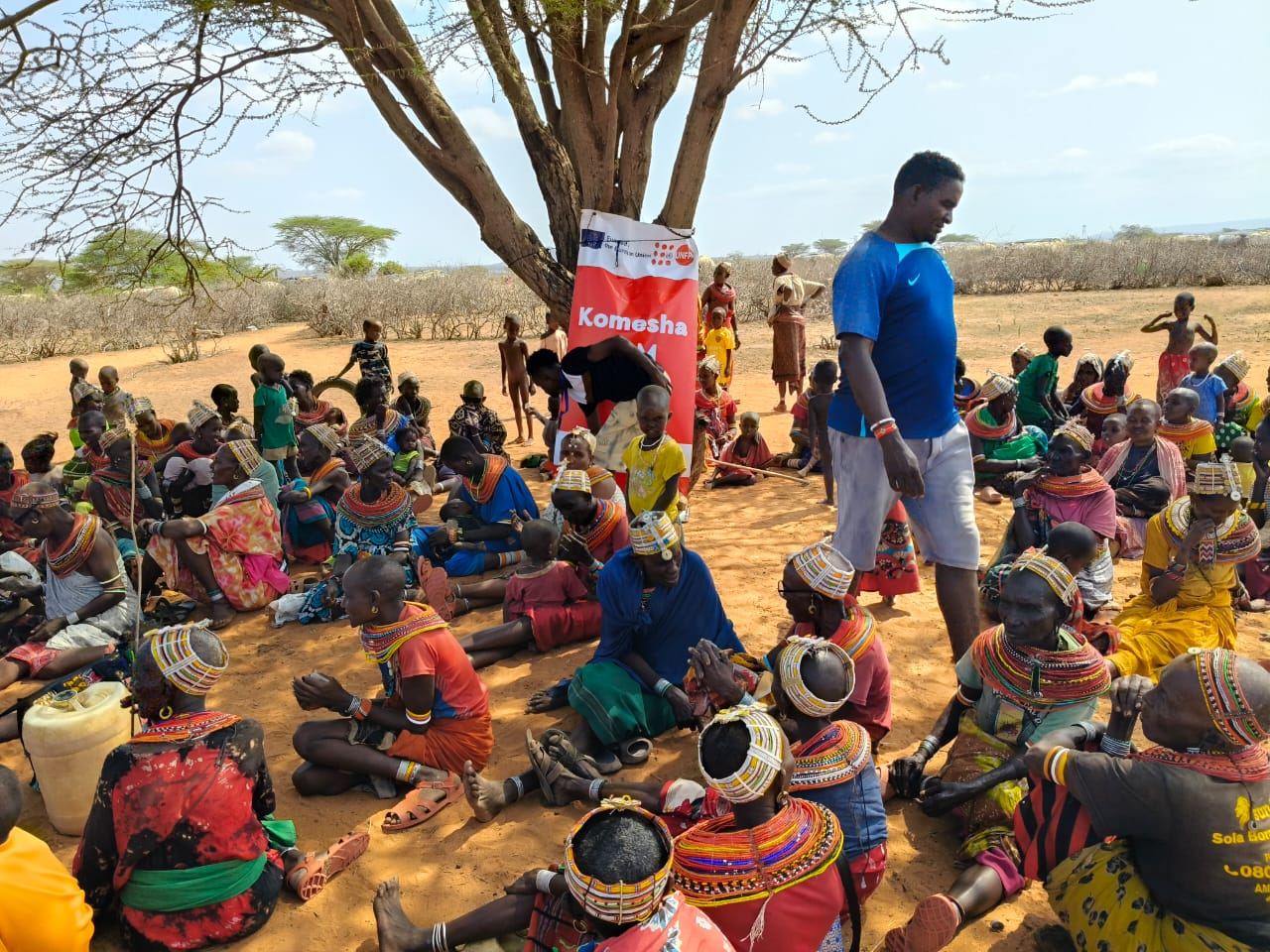
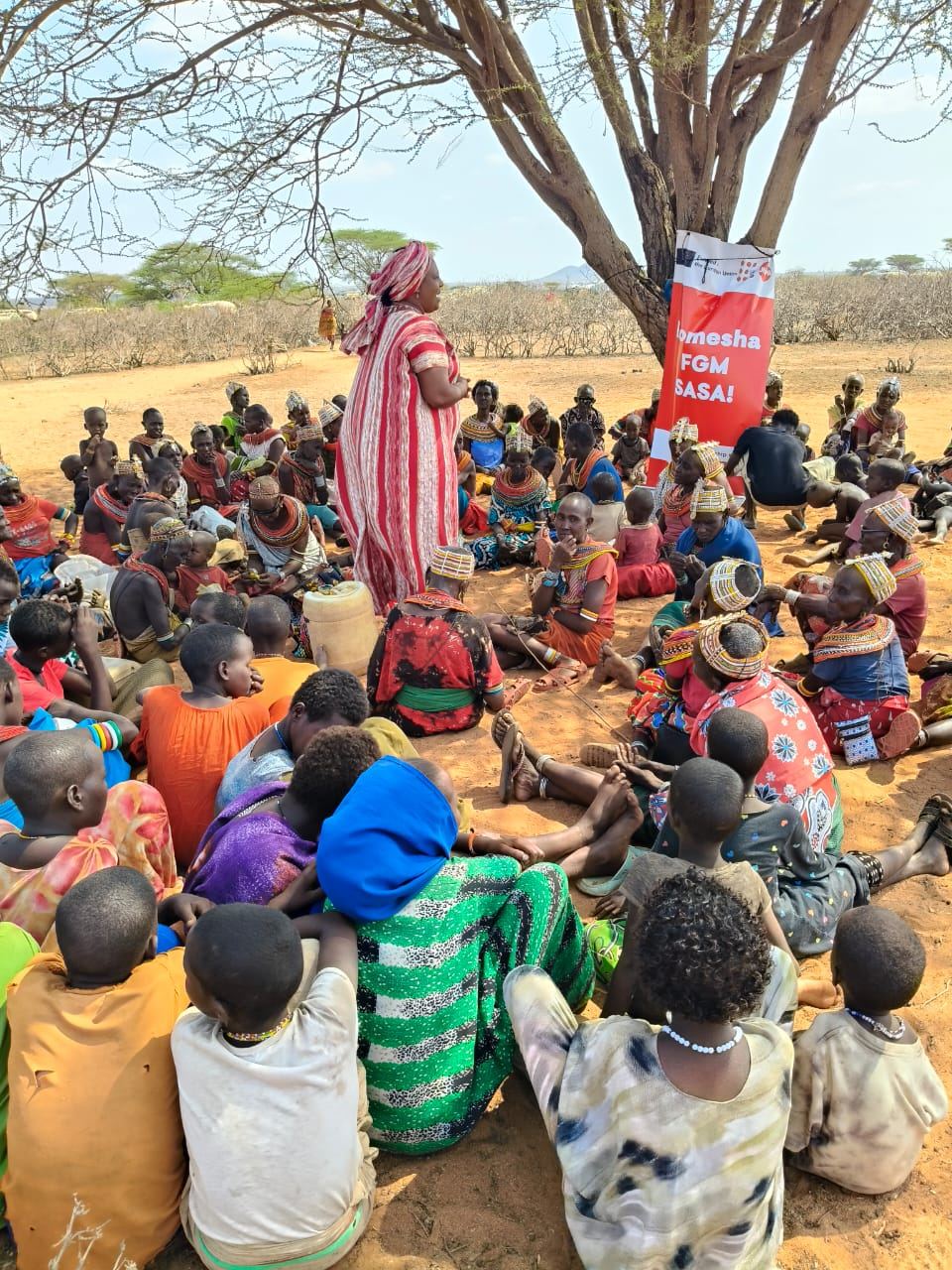
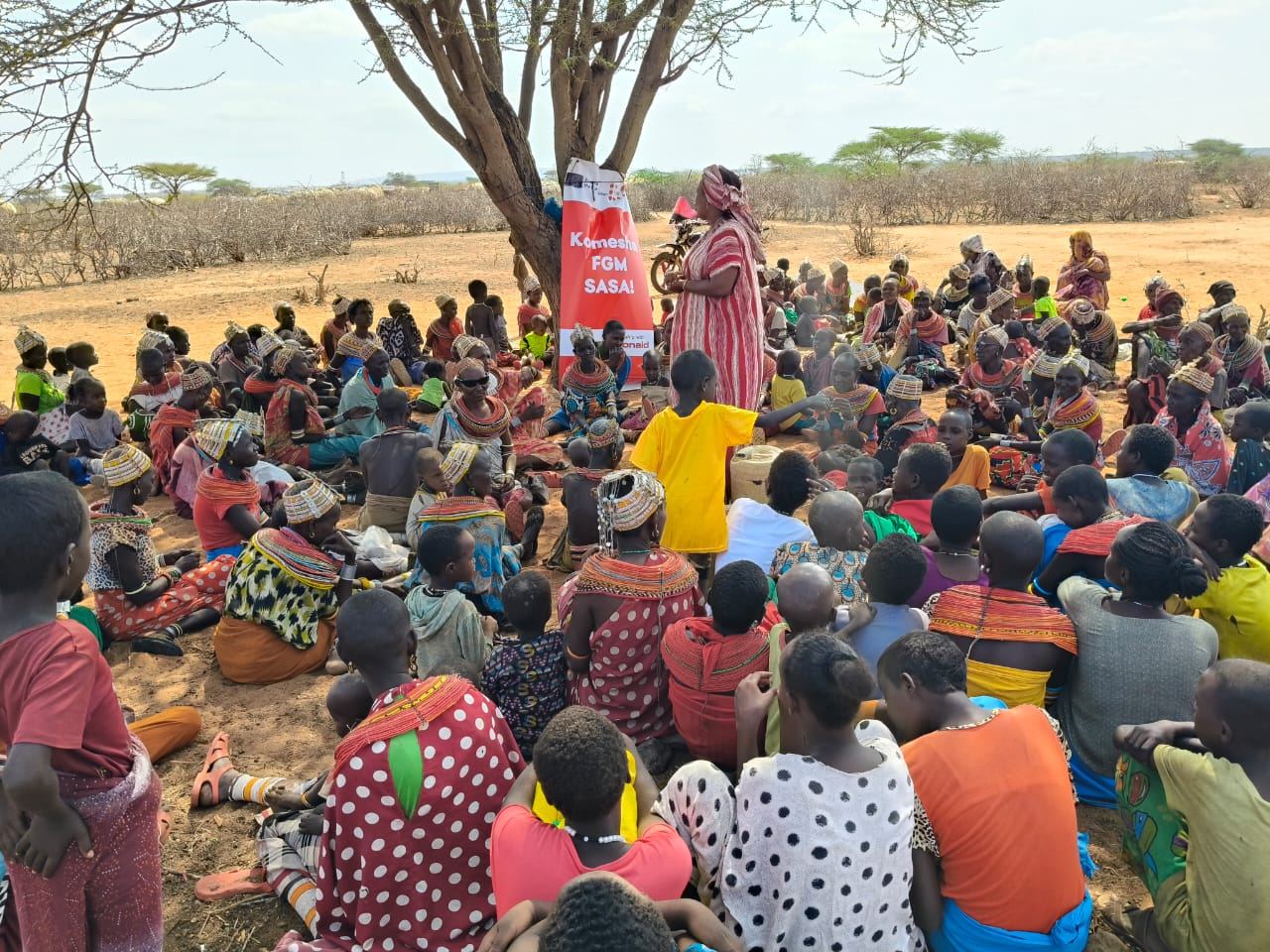
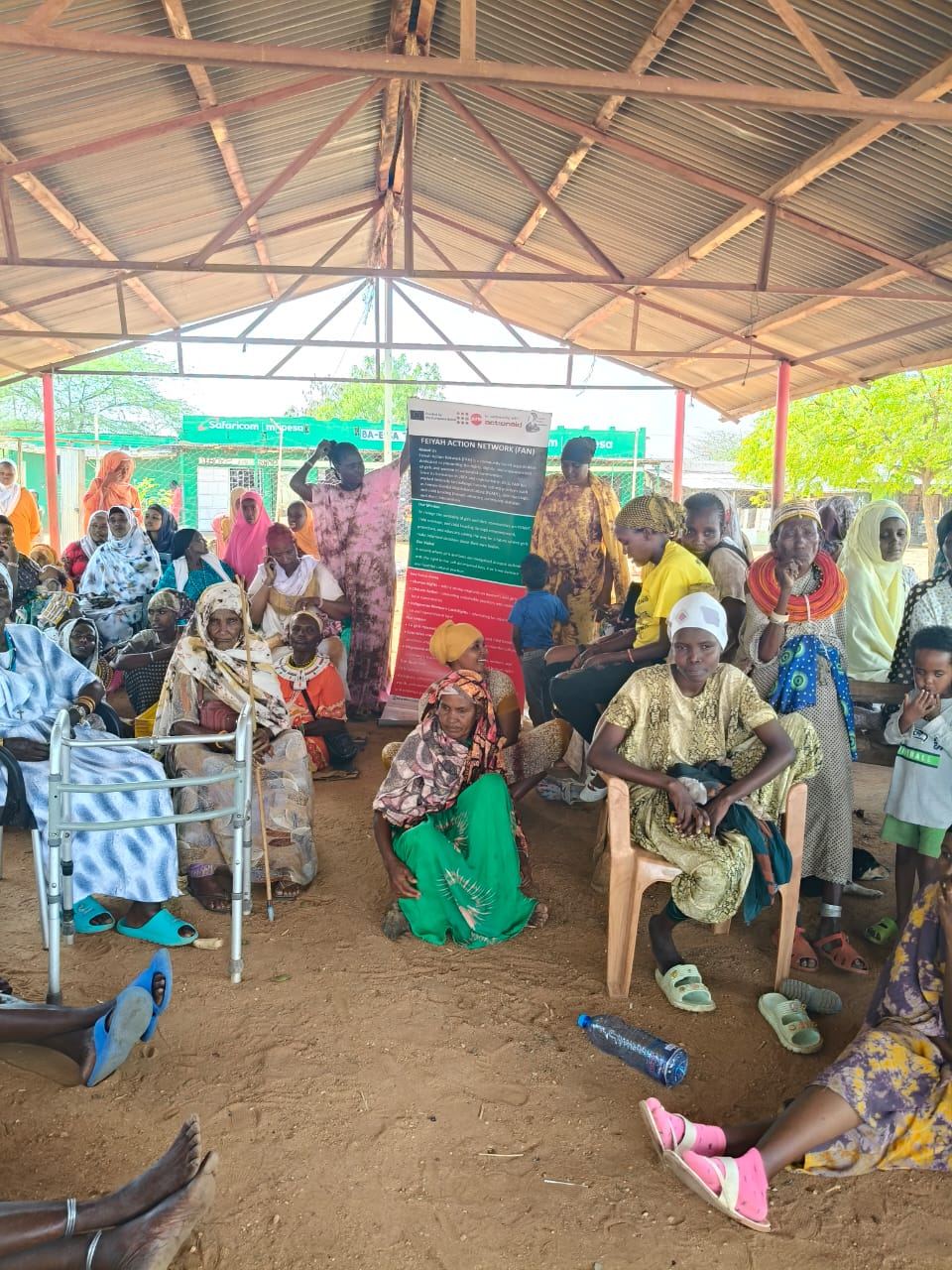
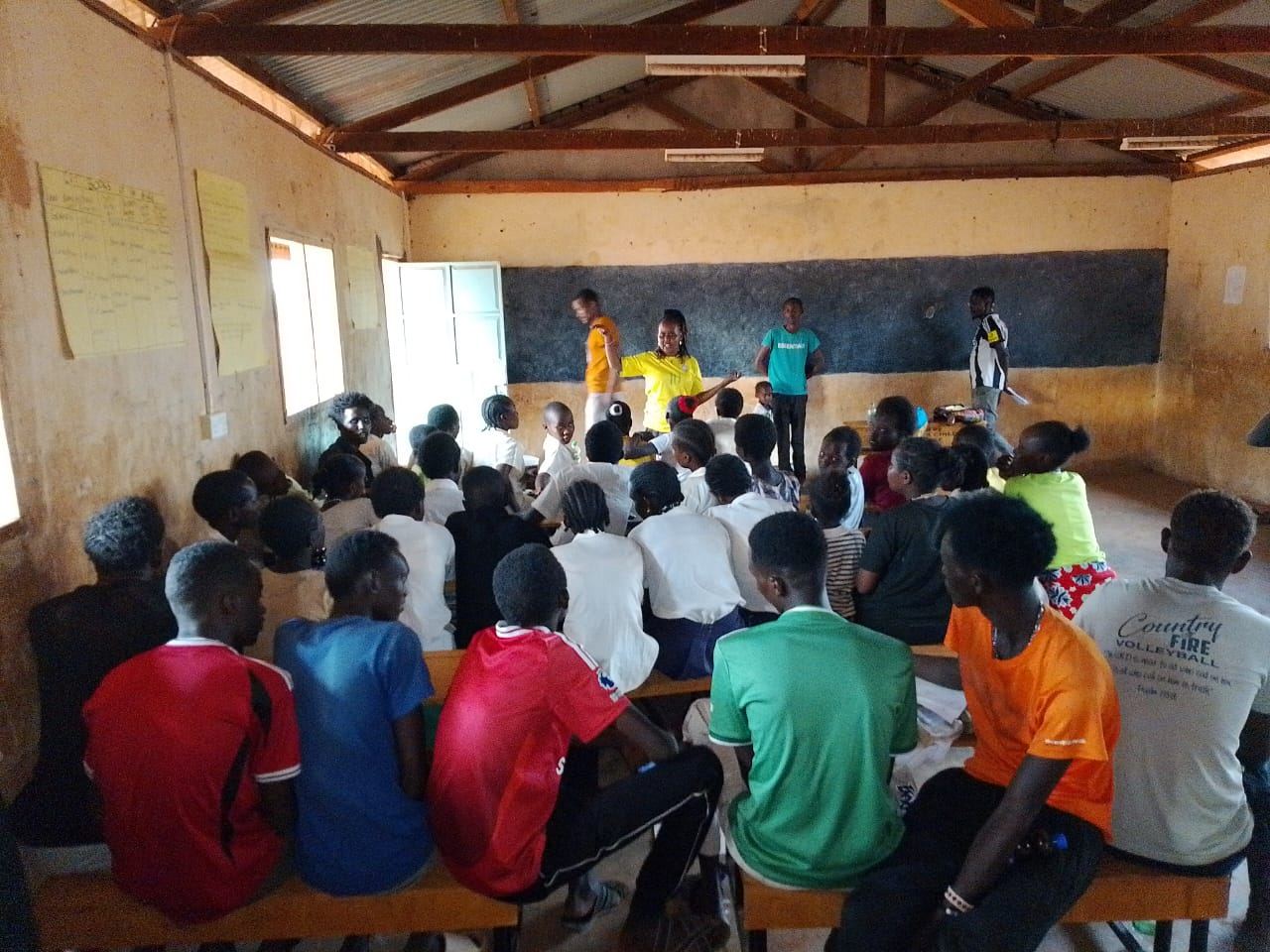
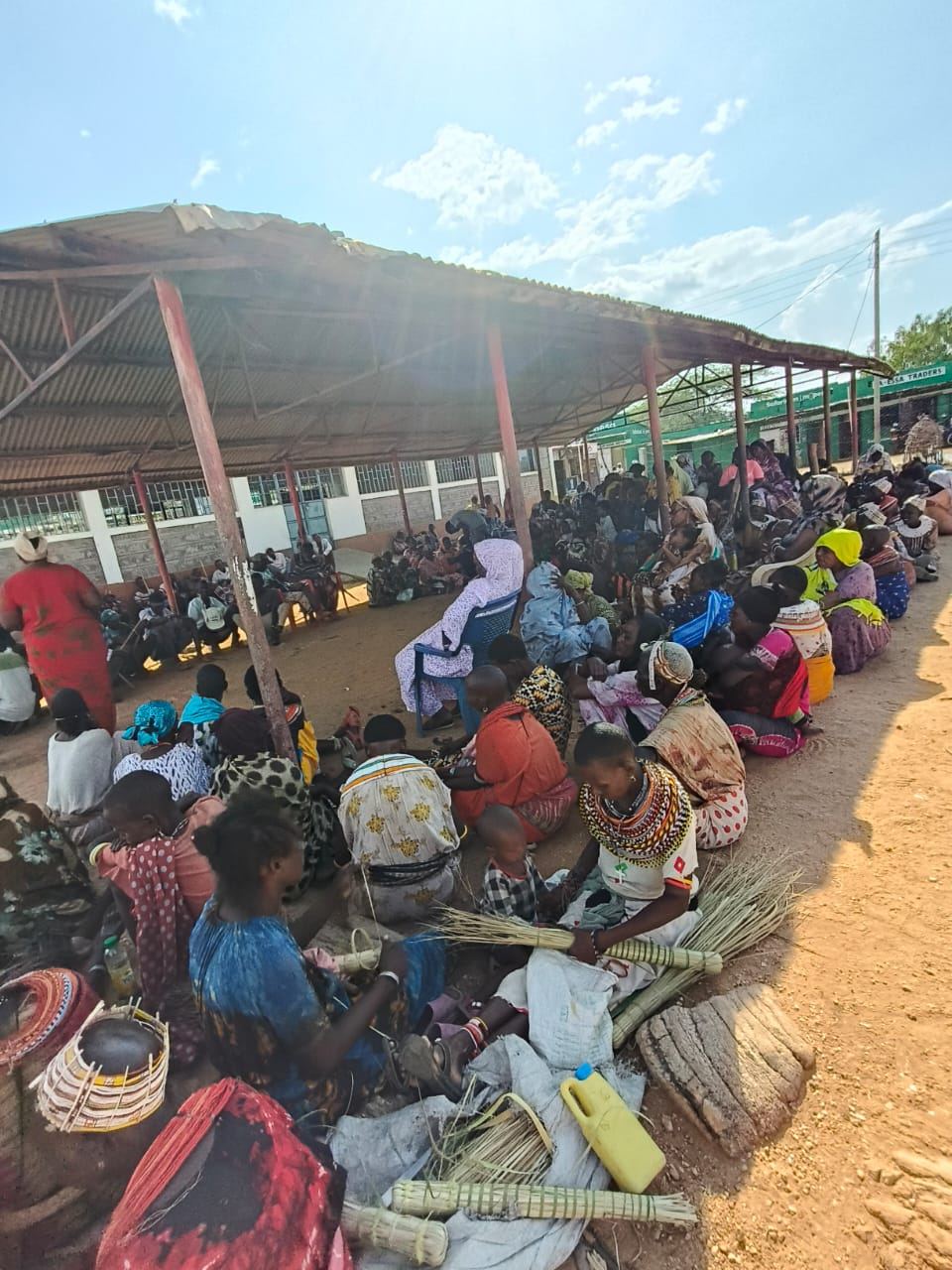
FAN's response. Through the Komesha FGM Sasa campaign, run in partnership with ActionAid and UNFPA, FAN brings entire communities together, including young men, to confront FGM and gender based violence directly. Large public gatherings, like the ones pictured here, are part of how the campaign reaches whole villages at once rather than individual households.
Results.
Support this program